Balancing AI Efficiency Gains Against Creative Team Morale
Explicit roles and review rights keep AI speed from eroding creative judgment.
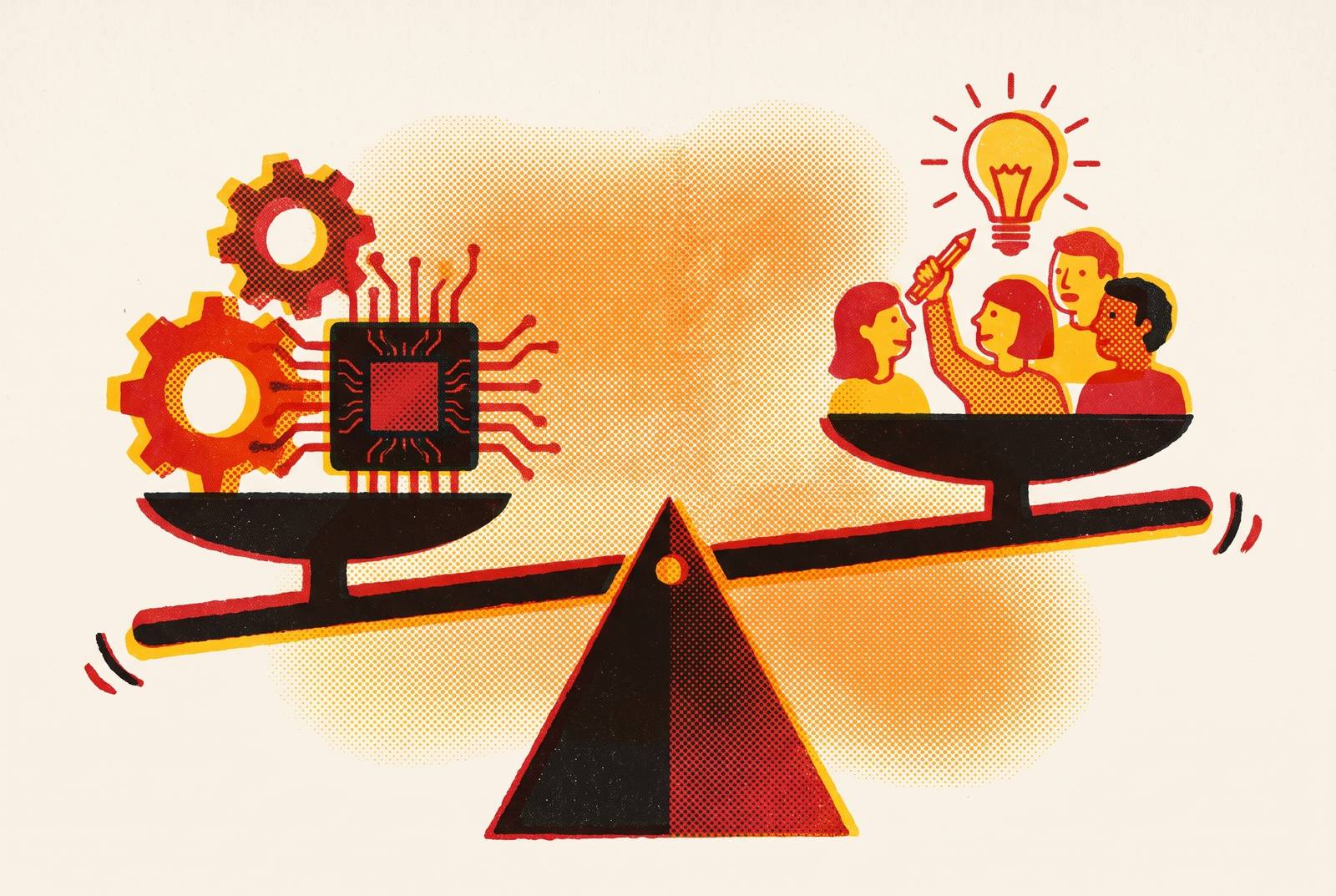
AI efficiency and creative team morale are often treated as competing goals. But balancing them depends less on reassurance than on workflow design. When roles, review rights, and ownership are explicit, faster production can leave creatives with more room for judgment. When those decisions are left unmade, the same gains can turn skilled people into reviewers of work they no longer control.
Why the morale problem in AI-assisted creative teams is actually a workflow design problem
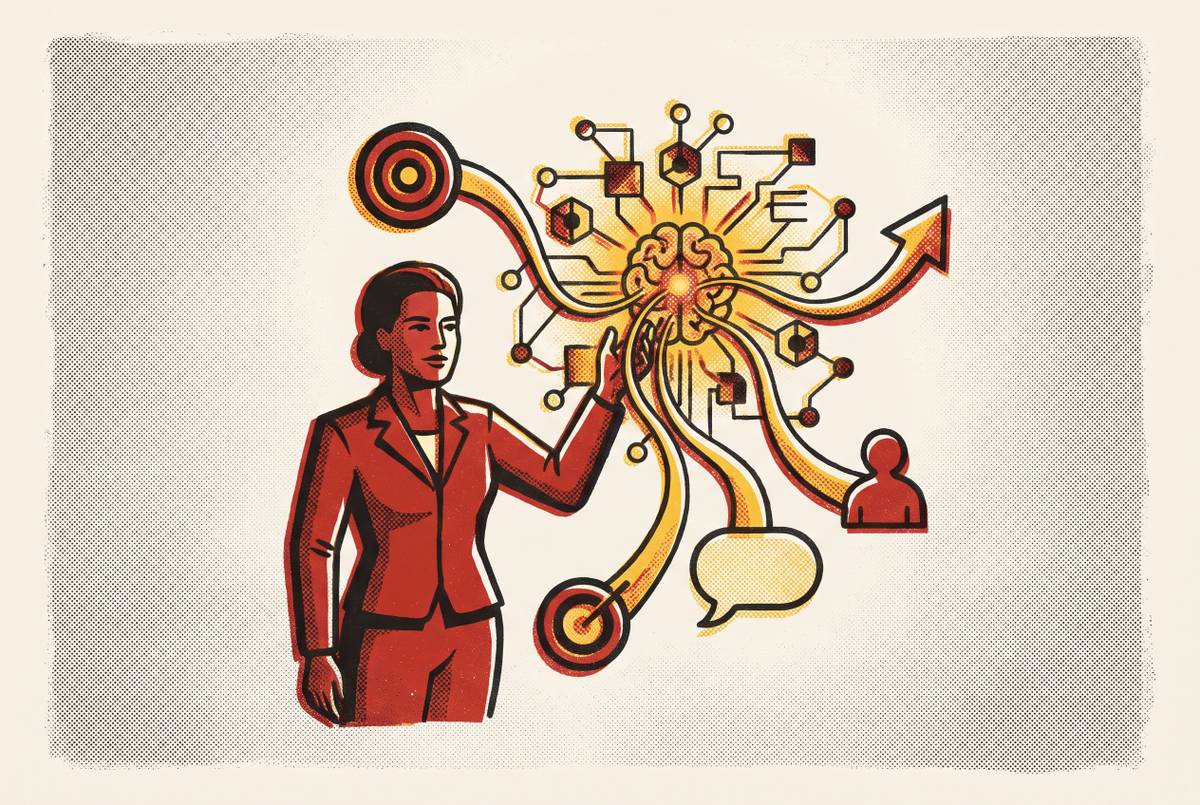
The instinct is to treat low morale after AI adoption as a communication problem. Explain the benefits, reassure the team, and encourage people to adapt. That response misses a more concrete concern. Creatives may be worried that quality is slipping, that their skills are weakening, or that the work feels less authentically theirs. Reassurance cannot ease those worries if nobody has said where their judgment is needed, where it is a choice, and where it has been removed without telling them.
Luma AI's 2026 survey found that one in five creatives say AI helps them work faster while quietly dragging quality down. The concern is what speed costs. The same survey found that training and workflow integration were the weakest parts of AI readiness, pointing to a gap in support for using the tools. Isn't morale still a people-management issue? Yes, but when teams respond differently to the same technology, workflow design deserves scrutiny before the response is reduced to individual resistance.
What efficiency gains actually look like inside creative operations, and where they create structural pressure
The useful gains are not confined to producing a first draft or image. Luma's efficiency findings locate the compounding benefit in revising the same campaign rather than starting again, including faster third revisions, localization, and variants of approved creative. The team can build on an existing decision. That changes where effort goes, because less time spent recreating an asset can leave more time for refinement. It also means that more versions can reach the people responsible for deciding which ones are usable.
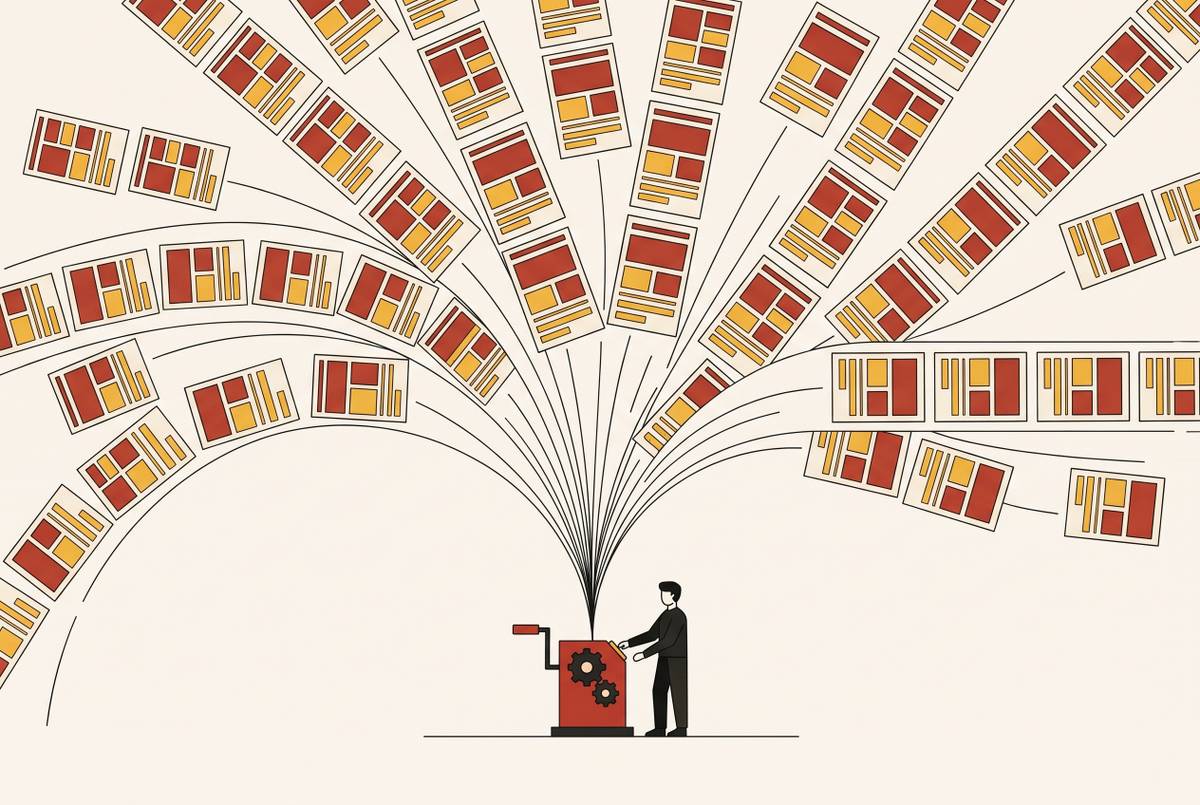
Late changes make that redistribution especially clear. A headline sent back by legal at 4pm Friday still needs a creative response, even if it takes less time to make another version. The work has not simply vanished from the system. Some of it has moved from production to selection and approval, placing pressure on the people who absorb those decisions. A quicker handoff can therefore leave people with more to review and the same deadline.
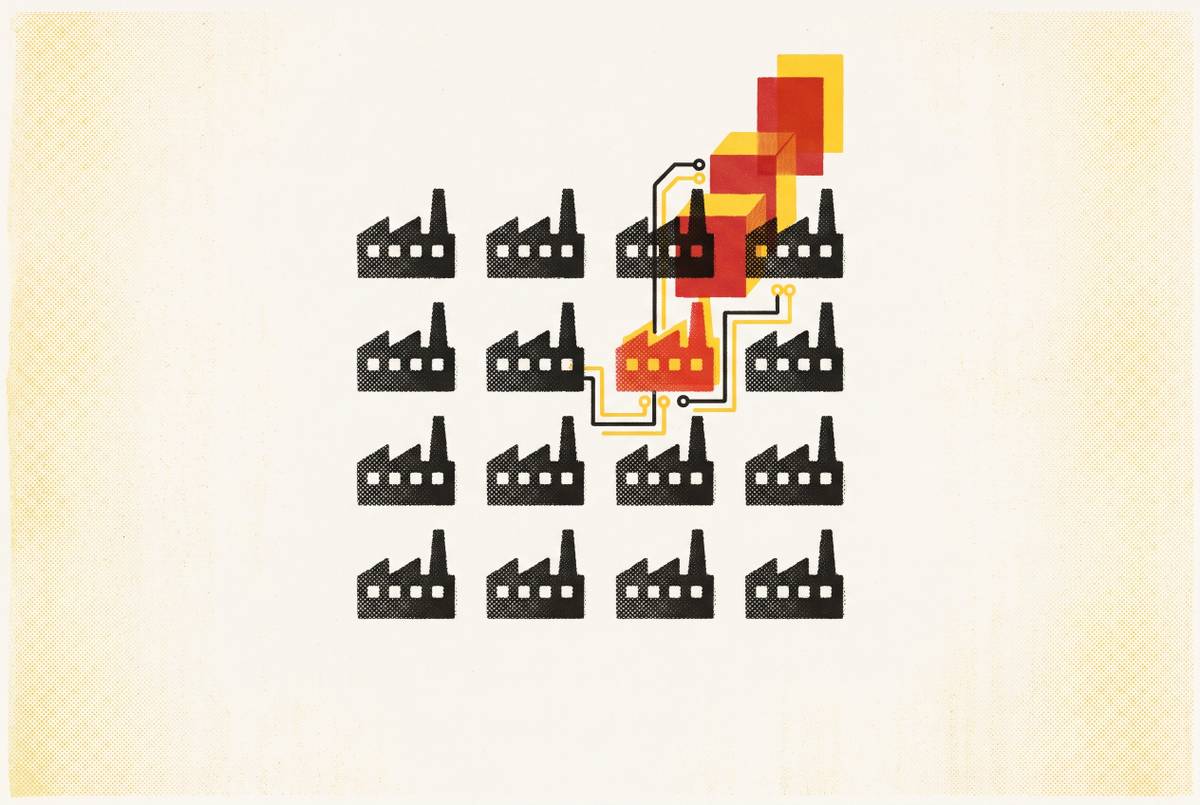
Adobe's 2026 AI and Digital Trends report found that over half of organizations describe their content supply chain as largely linear and resource-intensive. Accelerating one stage does not redesign that chain. When AI generates work in bulk, editing becomes the clear bottleneck in a team whose work is judged more and more on speed. Without structural relief, editors can read that pressure as evidence that the organization wants to replace their contribution. The intended benefit may have been more creative freedom, but the workflow delivers a queue.
How role ambiguity after AI adoption turns productivity wins into morale losses
That queue can hurt morale when people are held responsible for work they have no power to change. An editor may be expected to review AI-generated work but be allowed only to flag concerns, while the publish decision sits elsewhere. Review exists, but its force is uncertain. The person still has to catch weaknesses but has no say over whether those weaknesses reach the audience.
Unstructured adoption makes this ambiguity easier to create. Luma's survey found that one in three organizations report adoption driven by individual employees experimenting on their own. Experimentation can introduce useful capabilities without settling who owns the resulting work. The survey's contrast between AI Leaders and AI Laggards is revealing here. Leaders give AI a bigger role while keeping judgment explicitly in human hands, whereas Laggards lack that combination of clear ownership and useful leverage.
The risk to skills deserves particular attention. If people mostly inspect decisions already made for them, they may get fewer opportunities to frame an angle, choose a direction, or develop a draft themselves. That is a different kind of practice. It can preserve the ability to spot a problem while narrowing opportunities to exercise the judgment that prevents it. The concern about skill atrophy is therefore not answered simply by keeping a human somewhere in the process.
Creative work does mean being at ease with some unknowns, but some make the work harder. An open question about the right creative direction gives someone a problem to solve. An open question about whether their decision counts undermines their ability to solve it. Work can also feel less authentically theirs when their responsibility is limited to corrections. Adaptability cannot substitute for a defined right to shape the result.
What organizations that avoid morale collapse actually build — defined gates, named owners, and preserved judgment rights
Aperture, a growth marketing agency, offers a concrete model of how those rights can fit into production. Its strategists review and approve every brief before Aperture OS calls Luma's API to generate creative. The team also steps into Luma Boards whenever a shot needs a human call, preserving a place for judgment within the creative work itself. The system's speed operates inside a structure of decisions people still own.
The case describes a client scaling ad spend dramatically, with confidence grounded not only in AI output quality but in human sign-off on creative decisions. That distinction is important for the people making the work as well as the client buying it. A named approval makes judgment part of how the operation advances. It shows how people can still see who is responsible as more work gets made, though it does not prove that every creative concern goes away. This is the operational logic behind the Leader pattern.
The outline stage is the highest-leverage editorial gate. Before a system generates thousands of words, an editor can decide whether the angle is worth pursuing and whether the proposed reader journey supports it. That intervention is cheaper than repairing the completed draft. It also preserves authority over the work's direction, rather than limiting the editor to improving sentences after the central choices have hardened.
A named owner therefore needs more than a veto mentioned in a style guide. The role must be attached to an artifact that requires approval before work advances. For a content operation, brief, outline, draft, and publish can form four explicit gates with four named owners. Each approval answers a different question about readiness. The value lies in making those questions binding, rather than treating all human involvement as interchangeable review.
What the pipeline architecture looks like when human review is structural rather than ornamental
A five-stage pipeline makes the distinction between assistance and authority concrete. In Research, AI gathers material and humans check it. In Brief, AI drafts an angle and humans approve it. In Outline, AI generates options while humans choose the reader journey. Each stage gets the work ready for the next, but moving on still requires a human decision.
The Draft stage then gives AI section-by-section production while humans add expertise and texture. That contribution can include screenshots, specific tool references, first-hand observations, and named examples that the AI cannot access. These are not merely stylistic finishing touches. They supply the specificity that makes the work useful and make the human contribution visible in the result. In Review, AI audits the work, but a human makes the publish call.
The owner can send work backward as well as annotate it forward. If an outline has the wrong angle, the gate must permit a change of direction before drafting consumes more effort. A general invitation to intervene anywhere is weaker than a requirement to decide at a particular point. Optional intervention can leave ownership uncertain precisely when production pressure is strongest.
Adobe's report describes agentic AI's promise of always-on orchestration across the content supply chain, but says gaps in governance and measurement are still there. Without traceable gates, an organization cannot explain which human made which call when brand consistency fails. In regulated industries, that gap also creates compliance risk. The overhead of explicit approvals has a purpose beyond making people feel included, because it supports an audit trail and accountability.
How much work is automated still needs to depend on the task. Luma's survey found that no single task had crossed the halfway mark for full AI delegation, reflecting creatives' desire to stay in the judgment seat. People can keep that say in the work without doing every step themselves. It requires the workflow to distinguish work that can proceed autonomously from work that needs a binding human decision.
How measuring AI pipeline quality gives creative teams a stake in improving the system rather than just surviving it
Even a well-defined gate can become a rubber stamp if nobody examines what happens there. Output volume alone cannot reveal that change. When tools report how much content they produce, leadership may see rising activity while creatives see factual inaccuracies, brand voice drift, or missing specificity. A quality measurement system gives both groups a shared basis for discussing the operation.
The useful comparison is between the AI draft and the published result, with changes tracked at each stage. That makes it possible to see whether review adds substantive corrections, whether drafts publish unchanged, and where human expertise most improves the work. An unchanged draft is a signal to examine in context, just as a heavily revised draft raises questions about the stages that produced it. The aim is to distinguish productive automation from problems being absorbed downstream.
For creatives, this evidence makes contribution visible without relying on a general claim that human judgment is valuable. A review layer that repeatedly catches factual inaccuracies has a different role from one that mostly adjusts voice. Some types of content may also need more human input than others. Keeping track of those differences helps teams make the case for a better split of the work.
Adobe's report identifies unclear measures of success as a persistent obstacle to moving from isolated AI wins to integrated, scalable content operations. As with engineering systems, each stage needs to be metered and changes tracked so measurement provides feedback for decisions as well as reporting. That feedback can show where a gate needs more authority, where an earlier decision needs improvement, or where lighter review is justified.
What creative leaders should actually change about how their teams are structured around AI
For creative leaders, the first change is to define judgment gates before deploying the tools. Each gate needs a stage, an artifact, a named person, and an explicit scope of authority, including the right to send work backward. These are operating decisions. They decide whether approval keeps quality high or just records that someone looked at the work. Aperture shows how to build such decisions into the way work is done for good, beyond a short-term pilot.
The next change is to divide work by what AI and humans can access, rather than assigning whole task categories to one or the other. AI can provide volume and speed while people contribute expertise, specificity, and first-hand texture. That division needs to be visible in the pipeline. Training should then address both where the tool belongs in the existing process and how to operate it. Otherwise, a team can become proficient with generation while remaining unclear about integration and ownership.
Leaders also need to measure what review changes. That evidence supports explicit, revisable choices about automation by task, with full autonomy for some work, required approval for other work, and mandatory human involvement for high-stakes outputs. Deployment should not freeze those choices permanently. Luma's survey recommends training, workflow integration, and an approval process before another tool is added. The practical test of that sequence is whether faster production leaves people with real decisions to make, the authority to make them, and evidence that their contribution improves the work.